


Sponsored
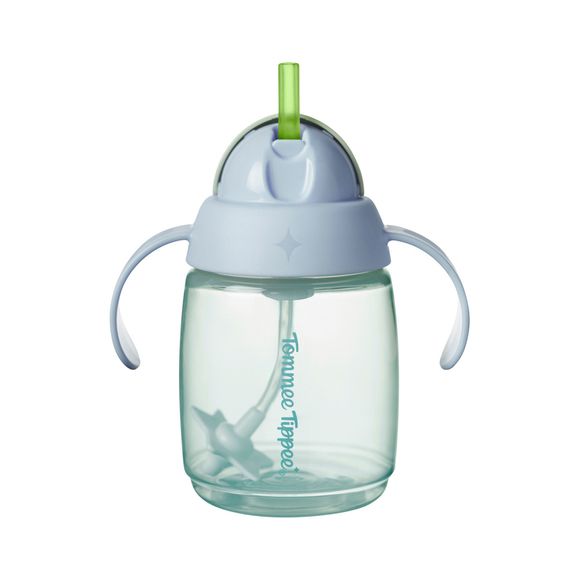
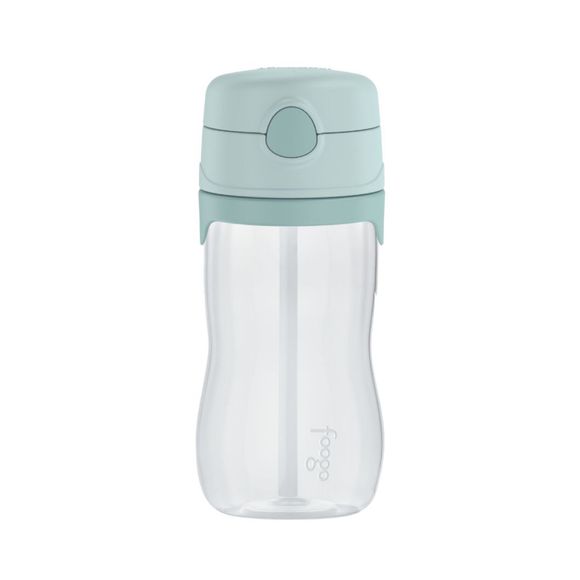
Tommee Tippee Active Spout 12 Months+ Assorted 390ml
$13.95



.png?quality=80&format=webp&width=3840)
Sippy cups help babies transition from bottles to independent drinking
Choose from sippy cups, straw cups, trainer cups, 360° cups, and drinking bottles
Look for spill-proof designs, BPA-free materials, and easy-grip handles
Most babies start using sippy cups around 6-9 months
Different cup styles suit different developmental stages and drinking skills
Transitioning from baby bottles to independent drinking is a big milestone and sippy cups make that whole process so much easier. They bridge the gap between bottles and open cups, helping babies develop the oral skills needed for drinking without constantly soaking themselves (and you and the floor, and everything nearby). Whether you're after spill-proof options for the car or trainer cups for learning, there's a cup designed for every stage of this (gulp) process.
Sippy cups and drinking bottles serve different purposes as your child grows.
Sippy cups are designed for babies and toddlers learning to drink independently. They typically have spill-proof spouts or straws, handles for little hands to grip, and valve systems to prevent leaks. They are used from around 6 months onwards when transitioning from bottles.
Read more about feeding your toddler for developmental guidance.
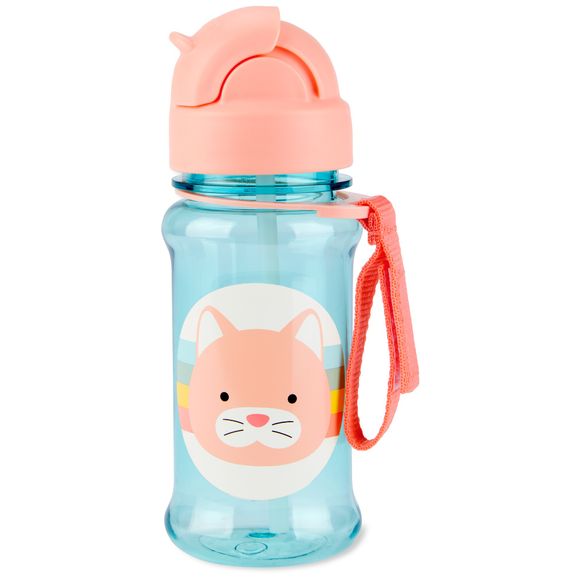
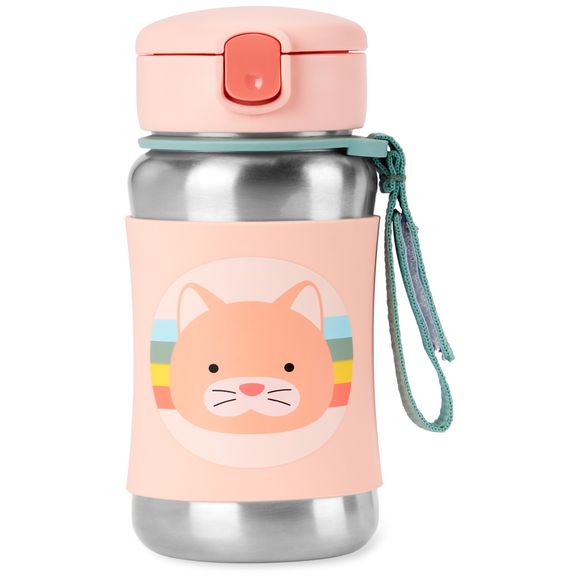
Drinking bottles for toddlers and kids are like mini water bottles, usually with flip-top lids, straws, or sports caps. They're for older children who've mastered drinking skills and need portable hydration for preschool, sports, or outings. Less spill-proof than sippy cups but easier to drink from quickly, when they are ‘desperate’ for some water.
Different cup styles suit different stages and needs:
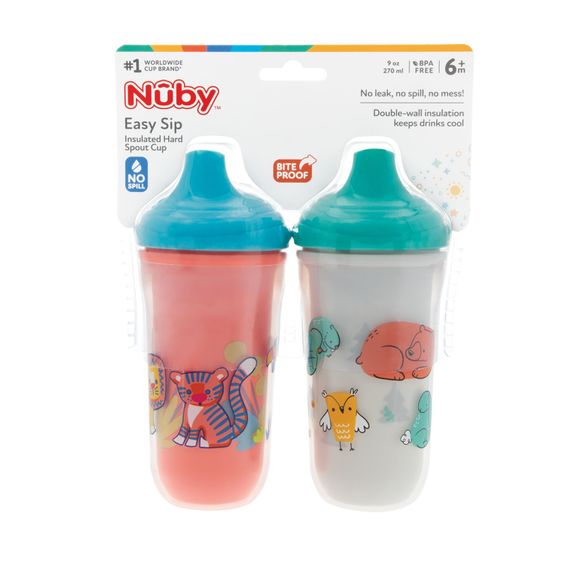
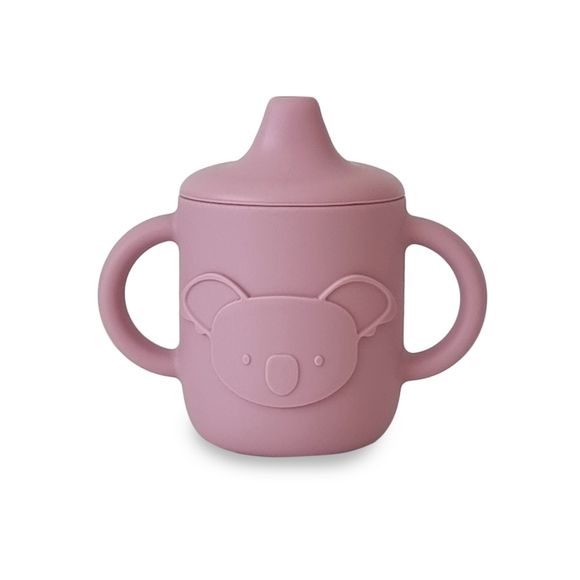
Sippy cups – Traditional spout design for first-time cup users (6+ months). Familiar feel similar to bottles which makes transition easier. Good for milk or water.
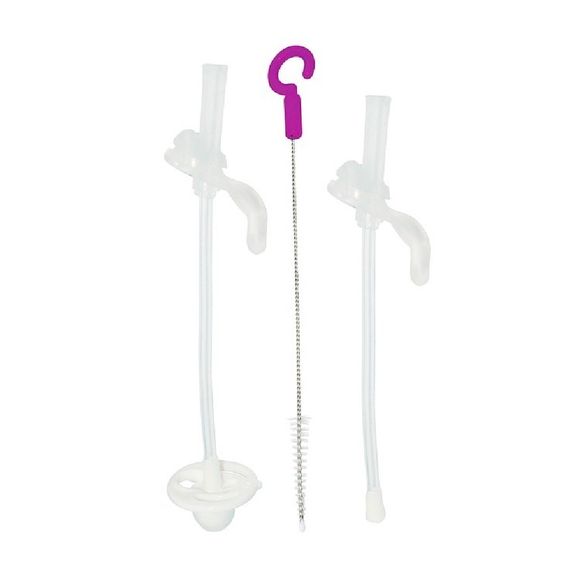
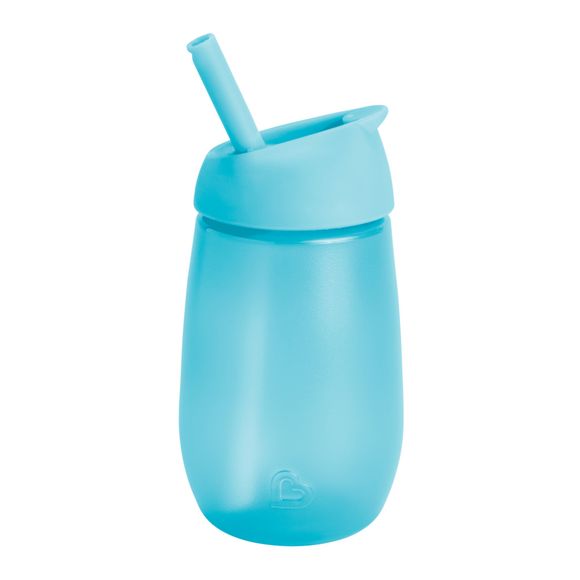
Straw cups – Encourages proper oral development and coordination (9+ months). Easier for some babies who resist spouts.
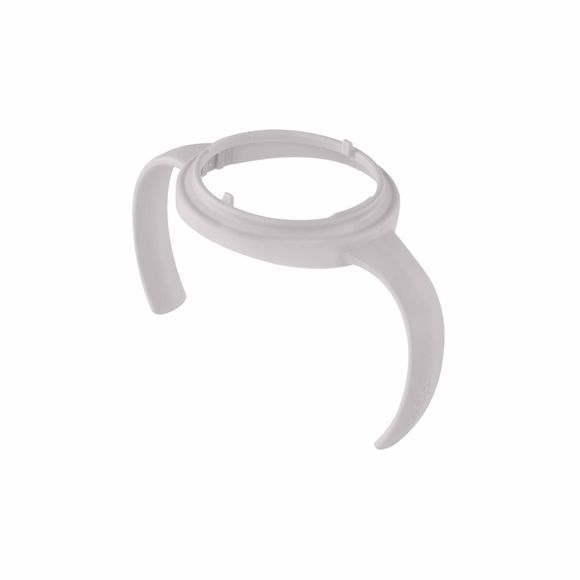
Trainer cups – Handles on both sides for better grip, often with removable lids (6+ months). Builds confidence before moving to open cups.
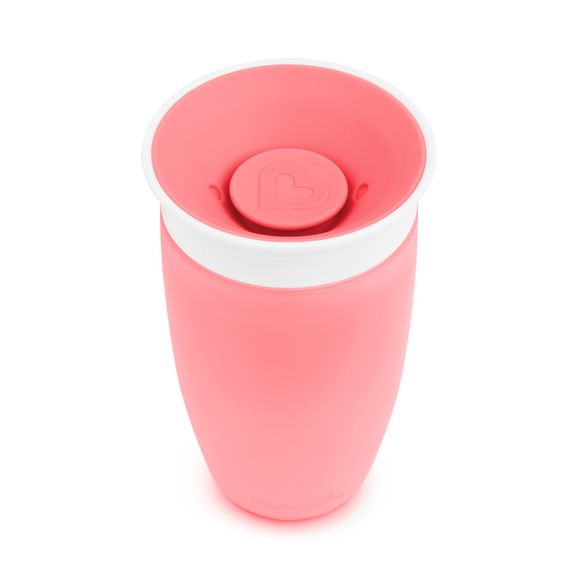
360° / rimless cups – Drinks from any edge like an open cup but spill-proof when not sipping (12+ months). Promotes healthy oral development.
Drinking bottles for toddlers & kids – For independent drinkers who need portable water bottles for childcare, kindy, or sports (2+ years).
We always like considering these features when choosing cups and bottles:
Spill-proof / leak-resistant – Valve systems prevent leaks in bags and reduce mess during learning. Essential for car trips and outings.
BPA-free materials – All our feeding items are BPA-free, phthalate-free, and food-safe.
Easy-grip designs – Handles or textured surfaces help little hands hold cups independently. Look for ergonomic shapes that fit small hands.
Insulated options – Keep drinks cool for longer periods, especially useful in summer or for longer outings. Great for milk or water.
Dishwasher-safe – Makes cleaning easier when you're washing multiple cups daily. Check all components are dishwasher-safe.
You can also browse our complete range of feeding essentials and bottle cleaning & sterilising products to support the whole journey.
With over 40 years of experience in baby products, we know what works and what doesn't. We carefully curate our range, searching globally for sippy cups and drinking bottles that meet genuine quality standards. Every cup we carry has been chosen because it solves a real problem for families: proper spill-proof seals that actually work, BPA-free materials you can trust and designs that help babies develop drinking skills safely.
Learning to drink independently is messy, takes practice and involves plenty of practice spills. All completely normal. The right cup makes it slightly less chaotic while helping your little one build the skills they need. Be patient, keep towels handy and celebrate the small wins.
Yes, from 6 months onwards babies can drink small amounts of cooled boiled tap water or bottled water. Under 6 months is not recommended.
Water bottles and milk bottles are two very different things. For milk, try different bottle types and teat flows, offer when your bub is calm but hungry and have someone else try if they refuse from you. Some babies also prefer certain temperatures or positions. Check our baby bottles range for options
Around 12 months is idea,l to reduce tooth decay risk and support oral development. Start introducing sippy cups from 6-9 months alongside bottles, then gradually phase bottles out by 12-18 months.
Spill-proof cups are practical for reducing mess but shouldn't be used exclusively long-term. Mix spill-proof cups for travel with open cups or 360° cups at home to promote healthy oral development.
BPA-free plastic, silicone, and stainless steel are all safe options. Ensure products meet Australian safety standards and are specifically designed for babies and children. Avoid glass for young children due to the breakage risk.
Yes, though water is better for teeth long-term. If using for milk, clean thoroughly after each use to prevent bacteria growth. Many parents use separate bottles for milk and water to avoid mixing tastes.