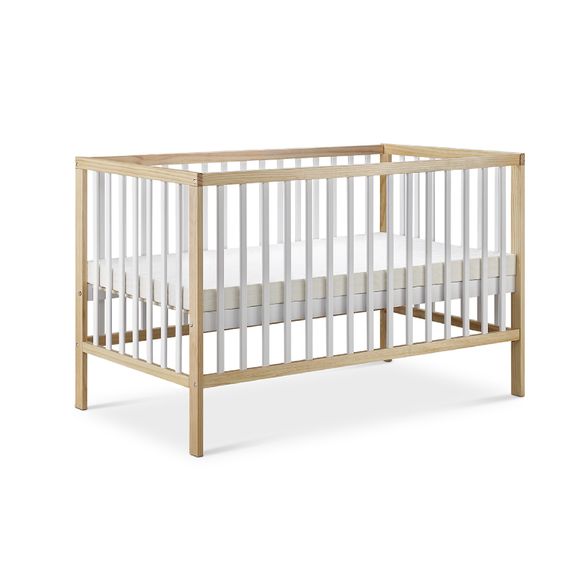
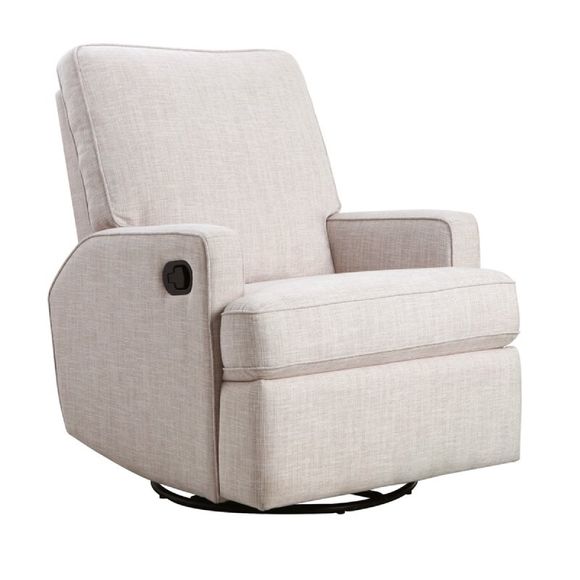
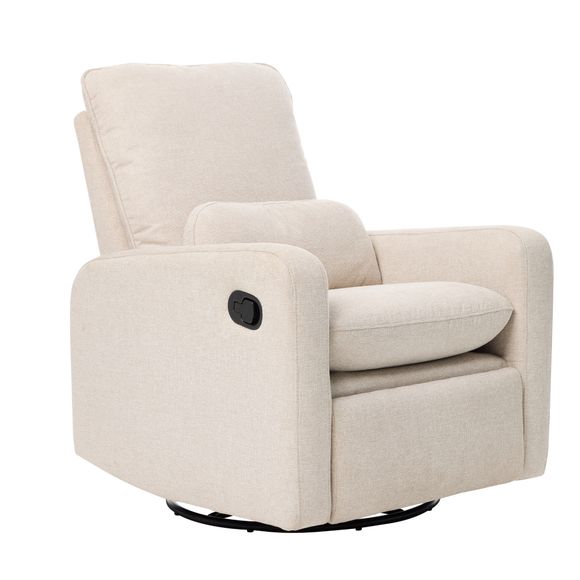
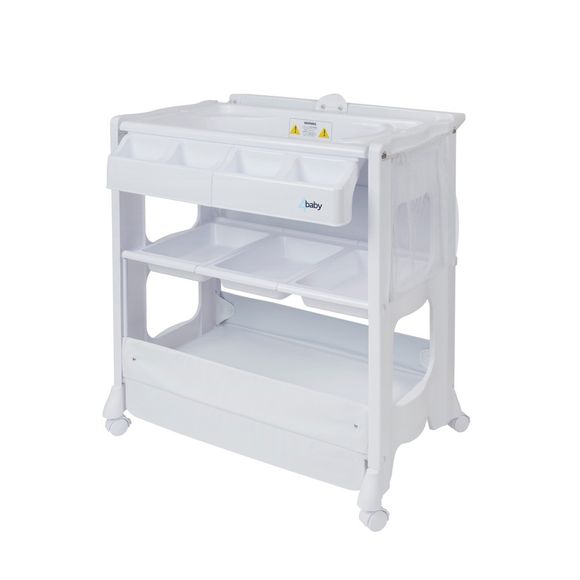
Social media may show you flawlessly designed nurseries, but the truth is that babies are pretty simple creatures. Matching furniture and beautiful colour schemes are optional extras and while you can definitely have a lot of fun scouting for cute items, decorating the nursery doesn't have to be expensive. “A nursery doesn’t need bells and whistles – as long as it’s safe, it can be very simple,” says pediatrician Dr Ruth Barker.
What are the nursery essentials?Setting up your baby's nursery can feel overwhelming, especially with so many options available. If you're short on time or just need a quick reference, this checklist gives you an overview of our recommendations.
Baby Nursery Checklist
| Category | Essential Items | Notes |
| Sleeping & Bedding | Cot or bassinet, firm flat cot mattress with fitted sheet, waterproof mattress protector, baby sleeping bag or swaddle suit | Must meet Australian Standards, age-appropriate sizing, no pillows, cot bumpers, or loose bedding (Red Nose safety guidelines) |
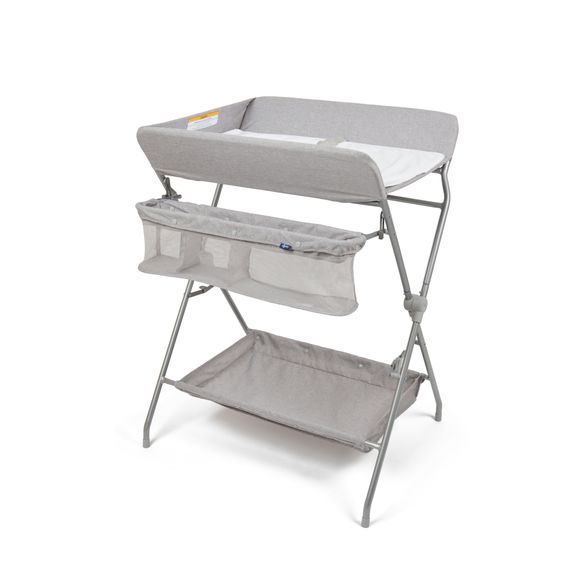
| Changing & Hygiene | Change table or changing station, nappy bin, baby wipes and nappies, washcloths and burp cloths | Store wipes and nappies safely away from baby’s reach, nappy bin helps manage odour |
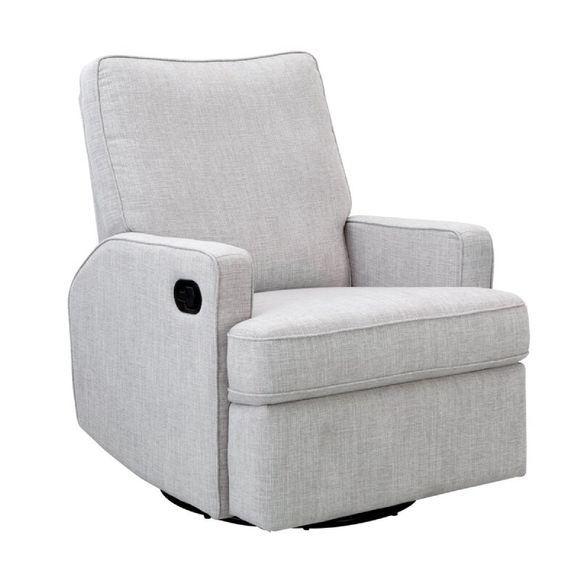
| Feeding & Nursing | Feeding chair or glider, side table, night light | Side table for water, phone, snacks, etc., night light helps with overnight feeds |
| Furniture & Storage | Drawers or storage baskets, bookshelf or wall shelves, toy box or organiser | For clothes and nappies, shelves must be secured to the wall |
| Comfort & Decor | Soft toys, artwork, decals or family photos, white noise machine, blackout curtains or blinds | No small or loose parts on toys, white noise machine is optional |
| Safety Musts | Secure all furniture to walls, avoid cords and loose fabrics near cot, keep 30cm space between cot and furniture | Keep curtains, monitors, etc. away from cot, minimum 30cm clearance required |
At first your baby might sleep in a cot or bassinet in your room, while the nursery is just used for:
- changing nappies
- storing clothes
- playing.
When you do transition your baby to sleeping in their own room, this is the newborn checklist you’ll need to consider:
Sleeping and bedding items
Creating a safe sleep space is one of the most important parts of your nursery setup. Here’s what to include:
Cot and Mattress:
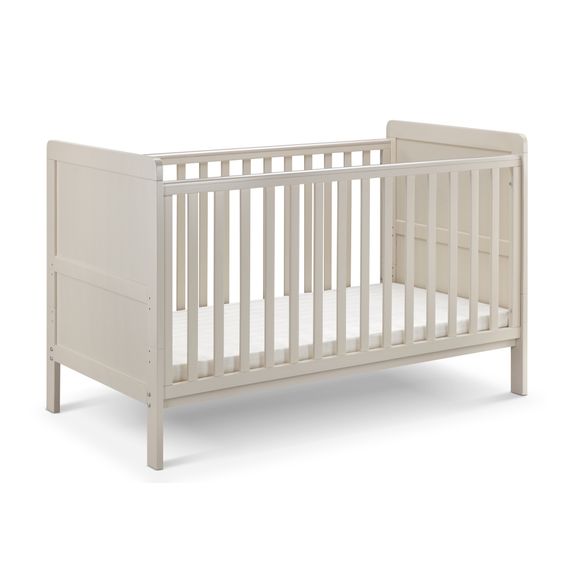
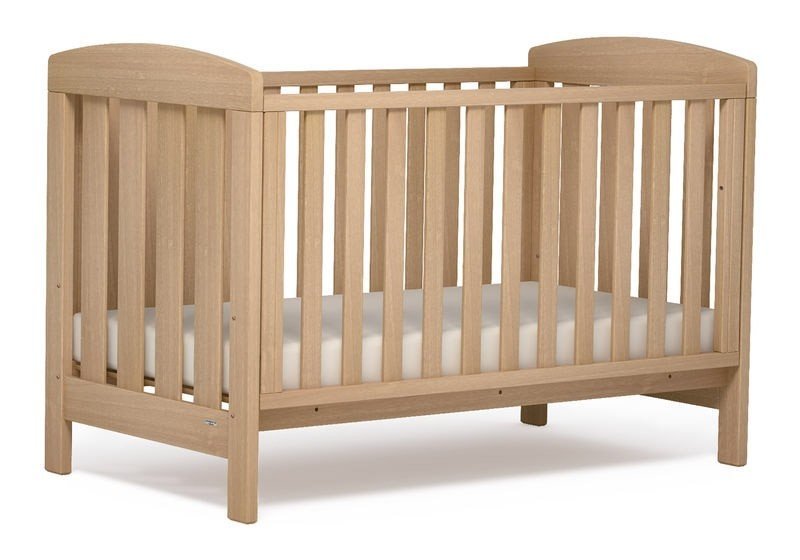
- Use a firm, flat mattress that fits snugly in the cot. “Mattresses should be covered with a waterproof sheet, then a tightly fitted sheet over the top,” advises Dr Barker.
- Where possible, use the mattress that comes with your cot to ensure a proper fit.
Sleeping Bags & Swaddles
- Sleeping bags make safe sleep easy — they’re cosy and help avoid loose blankets.
- “Sleeping bags can stretch over time, so always make sure they are fitted well to your baby,” says Dr Barker.
- Ensure the neckline isn’t too loose and doesn’t ride up over your baby’s face.
Swaddle Suits
- Great for newborns who haven’t started rolling yet.
- Stop using swaddle suits when your baby is around 2–3 months old or shows signs of rolling.
- “This allows your baby to use their arms to lift their face from the mattress once they start to roll over,” says Dr Barker.
Important Safety Note
- Avoid placing pillows, cot bumpers, loose blankets or soft toys in the cot.
- “These are a safety risk,” notes sleep safety organisation Red Nose.
Clothes and nappies
Your baby will go through a lot of nappies and outfit changes, especially in the first few months. Here’s how to stay stocked without going overboard:
Nappy Change Station
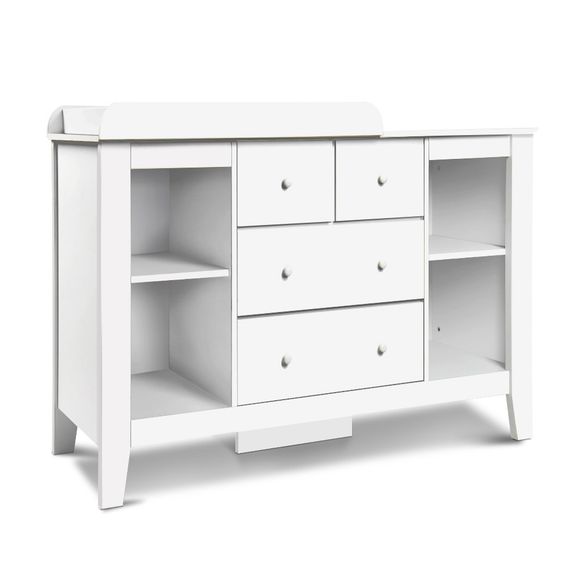
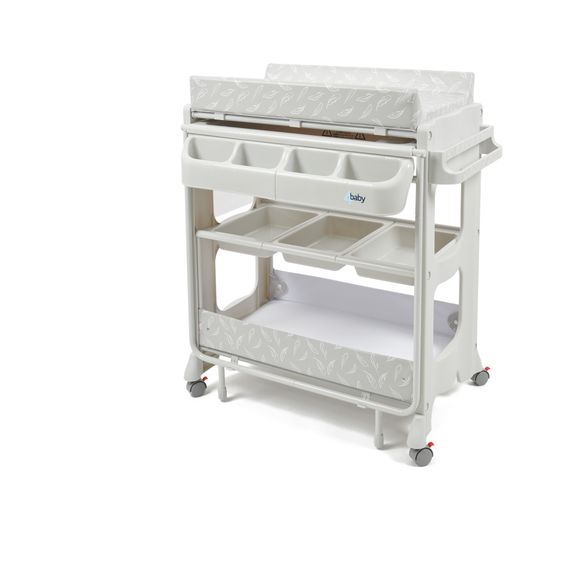
- A dedicated change table isn’t essential, but it can be a lifesaver for your back — especially with up to 3,000 nappy changes in your baby’s first year.
- “Change tables can be good as you can store wipes and nappies in them,” says Dr Barker.
- Keep essentials like nappies and wipes within arm’s reach at all times.
- “You must never leave your baby on a changing table, even if they’re not rolling yet. Babies can wriggle a lot!” she adds.
Nappy Changing Supplies Checklist
- Disposable or cloth nappies
- Nappy wipes
- Nappy bags (store out of baby’s reach due to suffocation risk)
- Barrier cream
- Optional: Nappy bin (helpful for masking odours, but not essential)
Baby Clothing Basics
Stick to simple, functional outfits in soft, breathable fabrics.
Start with:
- 4–6 zip-up onesies (look for zip protectors for safer changes)
- 4–6 singlets or bodysuits
- Onesies with enclosed feet and fold-over mittens to skip socks and separate mittens
- Soft beanie or hat for cooler weather
These items are easy to layer, quick to change, and wash well — all important during those messy newborn days.
Toys.
In the early months, your baby won’t need many toys — just a few key items for stimulation and supervised play.
Start Simple:- An activity mat is a great first toy and a soft place for your baby to explore.
- “These can also help encourage your baby to do tummy time – although a towel on the ground works just as well,” says Dr Barker.
- Be sure to choose mats that don’t have loose parts or button batteries, and always supervise tummy time.
Optional Extras for Your Nursery
If you have the space and budget, there are a few extras that can make your nursery even more functional and enjoyable:
Popular optional additions:
Design Tips from an Interior Expert
Interior designer Lydia Maskiell shares:
- “Always consider function first when styling a nursery,” says interior designer Lydia Maskiell. “Consider the flow of the room and the placement of furniture to ensure everything is easily accessible.”
- “If you want to think about aesthetics, choose a focal point, such as the cot, or a standout piece of artwork,” says Lydia.
- “Colour can be a really easy way of doing this; a neutral wall colour such as a warm grey or off-white means you can add artwork, family photos or other accessories. Wall decals or peel and stick vinyl wallpapers can also be a good option.”
How should I organise my nursery so it’s safe?
There are certain safety aspects it’s essential to consider when putting a nursery together:
- “Make sure cots aren’t placed near any cords or loose fabrics; that includes blinds, curtains, baby monitor cables, mosquito nets or wall hangings,” says Dr Barker. “These can pose a strangulation or suffocation risk.”
- Ensure there’s a gap of at least 30cm between the cot and any adjacent furniture. “This stops little ones climbing on to any other furniture or getting stuck in between gaps,” says Dr Barker.
- Always attach bookshelves, chests of drawers, or wardrobes to the wall using furniture brackets. “When children start to crawl and pull themselves up, furniture can easily tip,” says Dr Barker. “Ensure they’re properly attached to a stud, not just the plasterboard.”
So, what do you really need in a baby nursery? A safe sleeping place, clothes and LOTS of nappies.


.jpg?width=1280&format=webp&quality=80)