
Milky Goodness Lactation Drink Mix Chocolate
$21.95
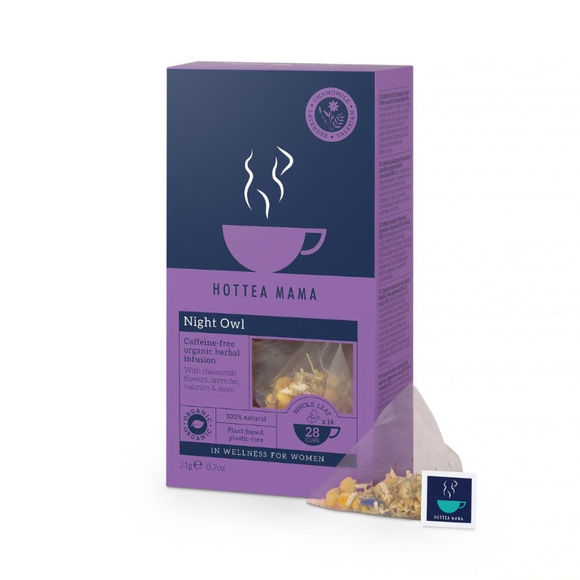
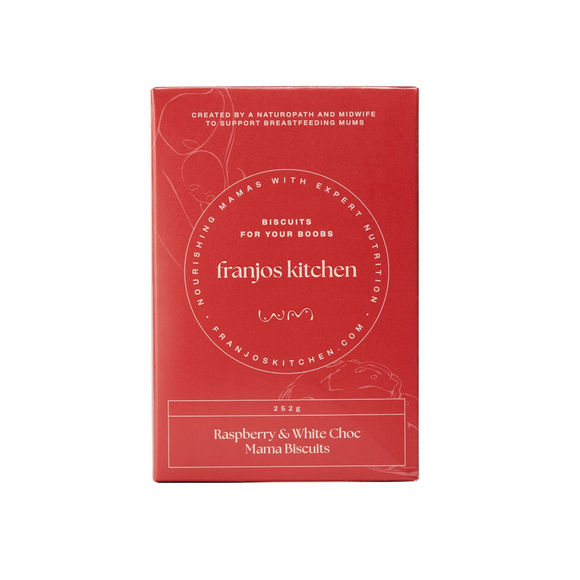
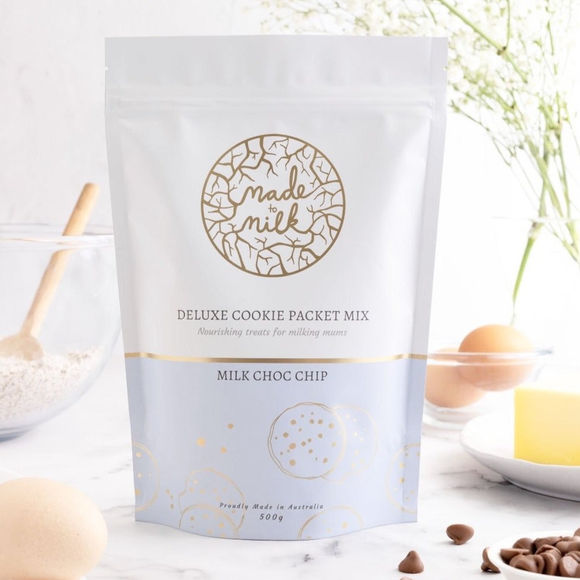
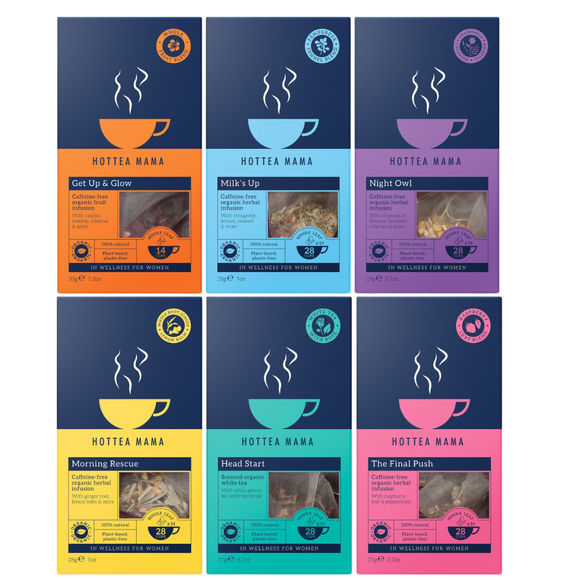


.png?quality=80&format=webp&width=3840)
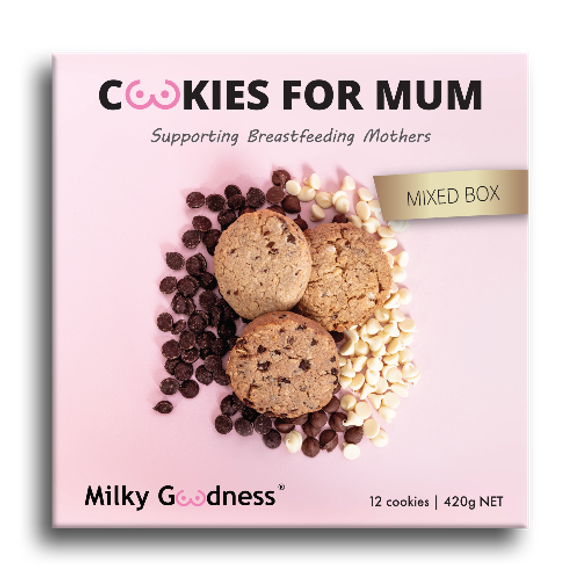
Lactation cookies and drinks contain ingredients like oats, brewer's yeast and flaxseed many believe support milk supply
Scientific evidence is limited, but many breastfeeding mums find them helpful, even if it’s just placebo
Always consult your GP or lactation consultant before trying new supplements or herbal products
Not a replacement for addressing underlying breastfeeding challenges
Safe to use when combination feeding or exclusively breastfeeding.
Breastfeeding can certainly have its ups and downs and sometimes you want a little extra help along the way. Lactation support products like cookies and drinks have become go-to options for many mums. While the science is still catching up, plenty of breastfeeding mums swear by them. Before trying any lactation products, especially those containing herbs like fenugreek, speak with your GP or lactation consultant to ensure they're safe for you.
Lactation support products are foods and drinks designed with ingredients traditionally believed to boost milk supply.
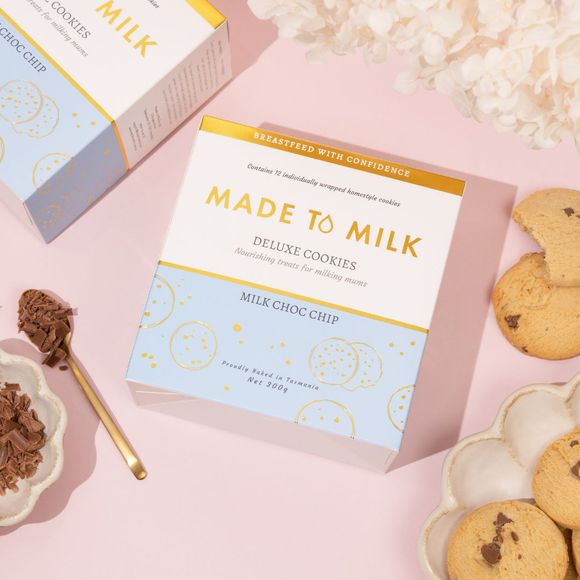
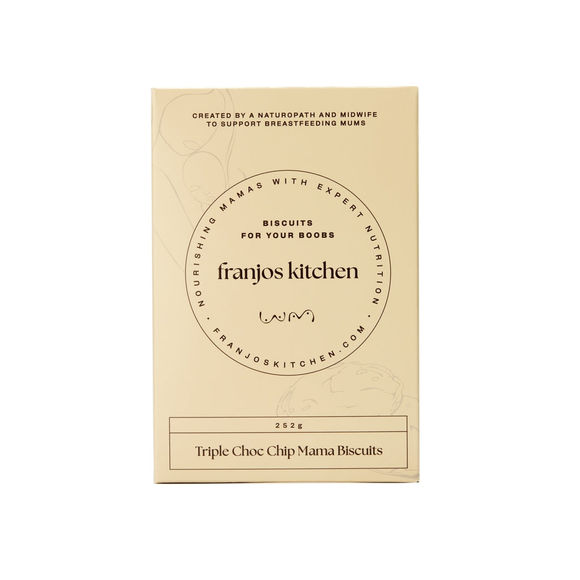
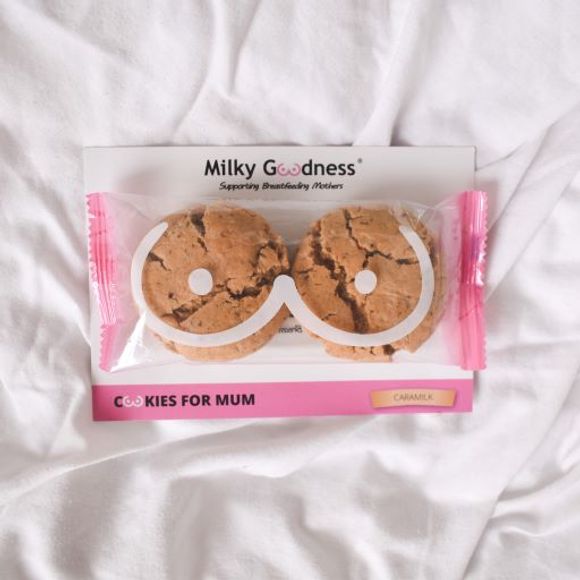
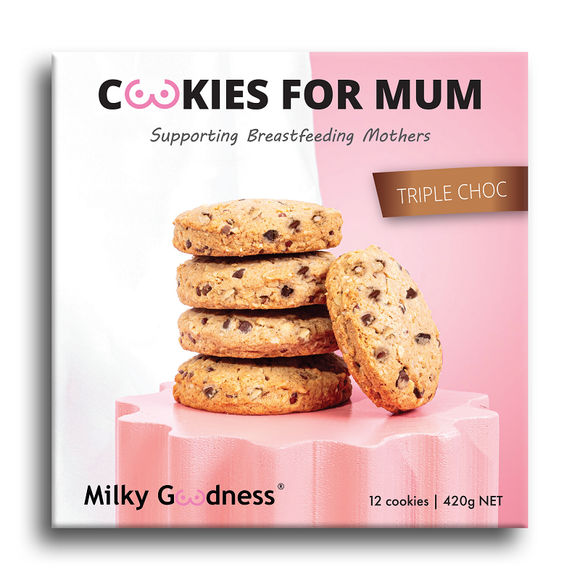
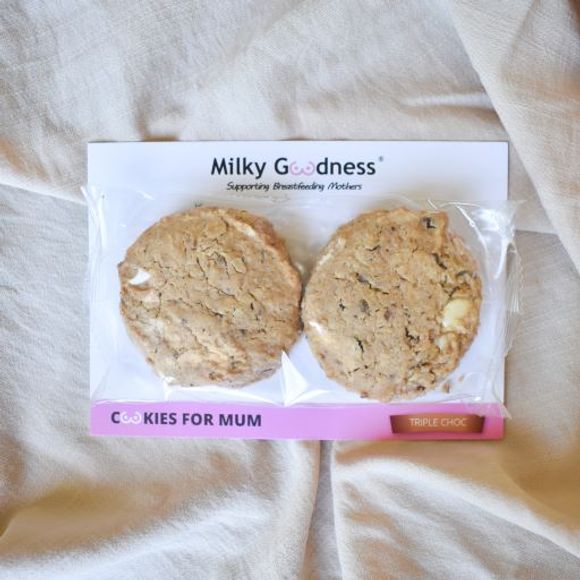
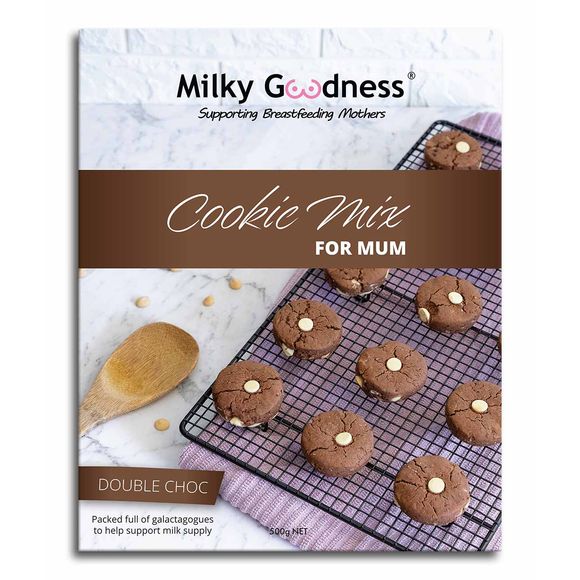
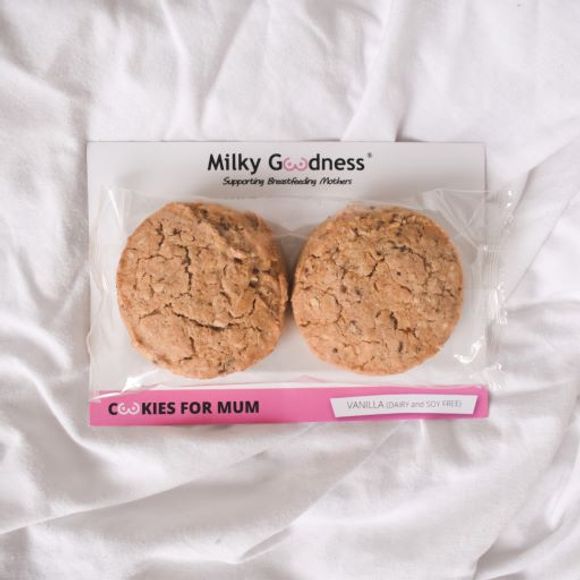
Lactation cookies contain galactagogues (ingredients like oats, brewer's yeast, flaxseed, and fenugreek) thought to support milk production. They're convenient, tasty and also double up as a handy snack when you're breastfeeding around the clock.
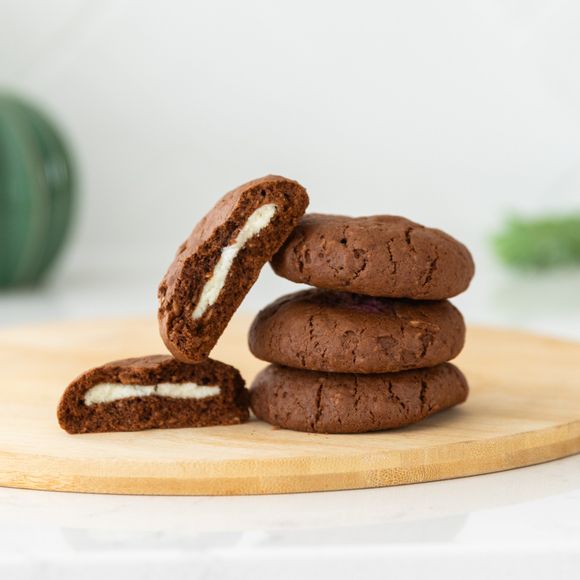
A simple, from-scratch lactation cookie made with everyday pantry staples and three key milk-supporting ingredients. Chewy, chocolatey, and great for the whole family.
INGREDIENTS
127 g butter, softened (from 4.5 oz)
0.8 cups brown sugar
1 egg
1 teaspoon vanilla essence
1 cup plain flour
1.5 cups rolled oats
2 tablespoons brewer's yeast
2 tablespoons flaxseed meal (ground flaxseed)
1 teaspoon baking powder
0.5 teaspoon cinnamon
1 pinch of salt
0.5 cups dark chocolate chips
STEPS
Preheat oven: Preheat your oven to 170°C fan-forced (or 190°C conventional). Line one or two baking trays with baking paper.
Cream butter and sugar: Beat 127 g butter, softened (from 4.5 oz) and 0.8 cups brown sugar together in a large bowl until light and creamy. Add 1 egg and 1 teaspoon vanilla essence and mix until well combined.
Combine dry ingredients: In a separate bowl, stir together 1 cups plain flour, 1.5 cups rolled oats, 2 tablespoons brewer's yeast, 2 tablespoons flaxseed meal (ground flaxseed), 1 teaspoon baking powder, 0.5 teaspoons cinnamon, and 1 pinch pinch of salt.
Bring it together: Add the dry ingredient mixture to the wet ingredients and stir until a soft dough forms. Fold in 0.5 cups dark chocolate chips. If the dough feels too dry, add a tablespoon of milk to bring it together.
Shape: Roll tablespoon-sized portions of dough into balls and place onto the prepared trays. Flatten slightly with your fingers or the back of a spoon.
Bake: Bake for 10–11 minutes 11:00 until the edges are just golden. The centres will look a little underdone — that's fine, they'll firm up as they cool.
Cool: Leave the cookies on the tray for 5 minutes 05:00 before moving to a wire rack. Store in an airtight container for up to 5 days, or freeze for up to 3 months.
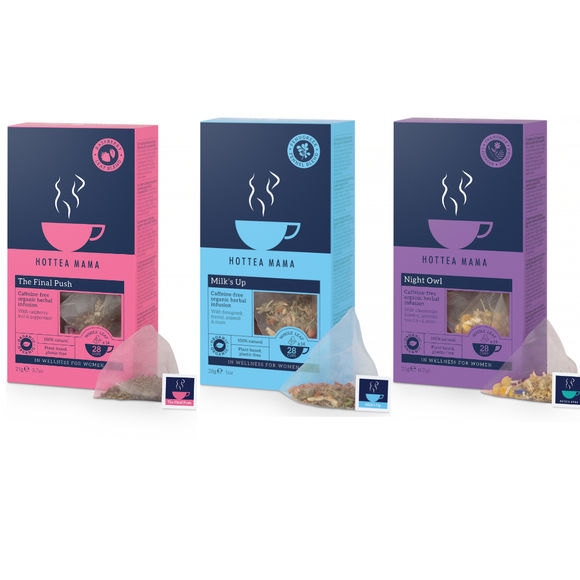
Lactation drinks and hydration powders are beverages formulated with similar galactagogue ingredients, plus vitamins and electrolytes. They keep you hydrated while providing nutrients that may support milk production. Many come in powder form that you mix with water.
The science on this is still out, but the way we see it, generations and generations of women can’t be that off base. Knowledge that has been passed down has to come from somewhere. We do, however, always recommend that you touch base with your GP or lactation consultant before starting any new lactation products.
Convenient nutrition – Easy to grab when you're feeding frequently
Hydration support – Drinks help you stay hydrated, essential for milk production
Nutrient boost – Often contain oats, healthy fats and vitamins beneficial for breastfeeding
Peace of mind – Provides reassurance when you're worried about supply
Tasty option – Makes staying nourished more enjoyable.
If you're concerned about milk supply, consult your GP or lactation consultant, and check our breastfeeding guide and breastfeeding challenges resources.
Consider these factors when choosing:
Your routine – Cookies work as snacks, drinks are great if you forget to hydrate
Ingredients – Look for oats, brewer's yeast, flaxseed and fenugreek
Dietary needs – Choose options that suit allergies or preferences (for example gluten free)
Medical advice – Consult your GP or lactation consultant before trying products with any added herbal ingredients
Taste – You'll use them more if you enjoy them
Budget – Some are pricier but homemade options are always cost-effective
Combination with pumping – Pair with breast pumps if building a freezer stash.
Your breastfeeding journey is uniquely yours and perhaps you could think of lactation cookies and drinks as helpful tools in your toolkit.
Scientific evidence is limited, but many mums report they help. The ingredients are nutrient-rich and may support milk production.
Adequate hydration is essential for milk production, but excessive water won't necessarily increase supply. Drink when thirsty and keep water handy during feeds.
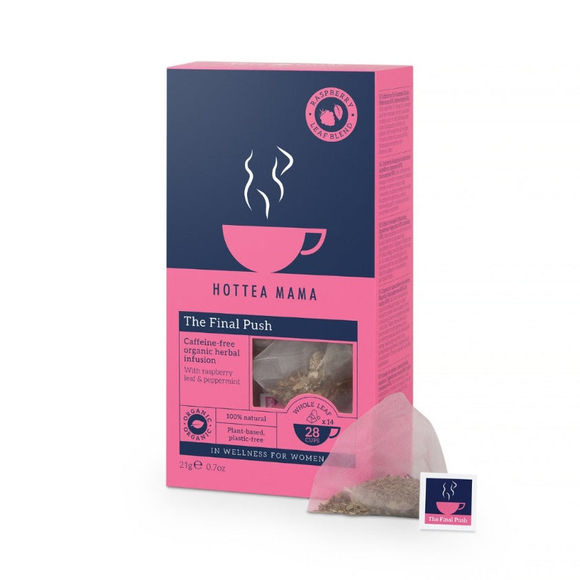
Lactation drinks with fenugreek, oats, and brewer's yeast are popular. Water, herbal teas (fennel or fenugreek) and lactation hydration powders can help. Consult your GP before trying herbal drinks, as some herbs can affect people differently.
If they help you stay hydrated and give you confidence, then 100% yes.
Generally they contain food-based ingredients, but some herbs like fenugreek can affect people differently or interact with medications. Always consult your GP or lactation consultant before trying any new lactation products and check our guide on what to avoid while breastfeeding for more information.
Yes, whether you're exclusively breastfeeding, combination feeding, or pumping.