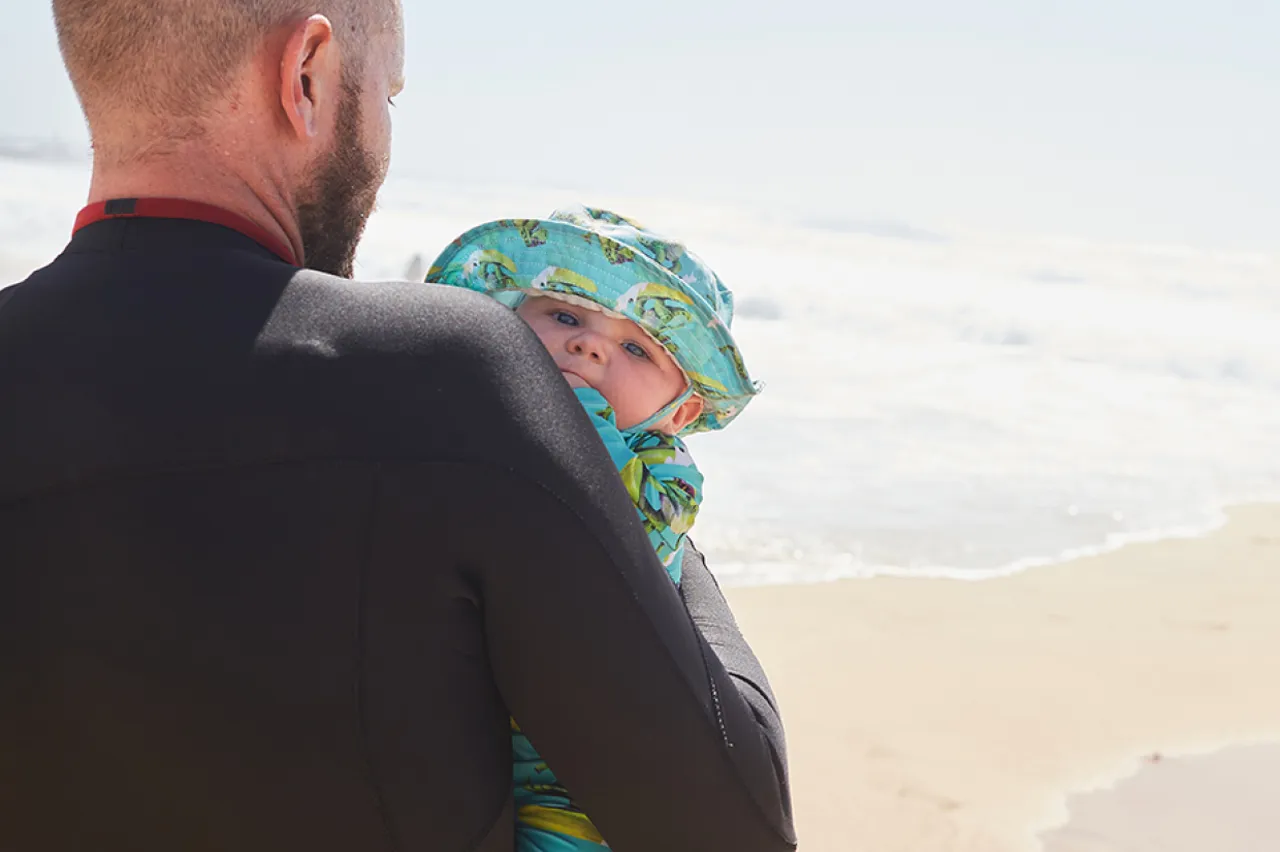
Key summary
This newborn clothing guide covers the best infant clothes for the warm weather, including how to layer, sun protection and swaddling newborns in summer
It’s important to dress your newborn to the conditions and a range of summer newborn clothes are needed for daytime and nighttime Understanding the TOG rating system on newborn clothes is essential for knowing how to dress a baby for sleep.
Understanding your newborn’s summer needs
Young babies have to work a lot harder than adults to regulate their body temperature, so it’s important to keep them cool in summer. Dressing them in appropriate infant baby clothes is one way to keep them in a comfortable zone.
Dressing your baby during the day
Knowing how to dress a newborn – and just how many layers are needed – can be tricky, particularly during a hot Australian summer. Here’s what you need to remember.
Choose breathable, lightweight fabrics
Loose fitting clothes made from natural fibres like cotton or bamboo are perfect for hotter weather. You want clothes that breathe and are not too tight.
Make sure clothes are sun safe
A newborn’s skin is thinner and more absorptive than older babies or adults, so minimise the use of sunscreen until children are at least 6 months old. Instead, use physical barriers like shade umbrellas, hats and light long-sleeved clothes. When you’re heading out, always pack a sunhat and sunglasses with UV protection and sunscreen and make sure you’re up-to-date on Sun Safety for Babies, too.
Daytime outfit examples
Use this baby dressing guide to help layer your newborn’s clothes for summer days, and remember to add or remove layers to keep them comfortable.
At home:
A singlet + a nappy is good for really hot days. Keep the room well-ventilated for air flow.
For milder weather, a short-sleeved onesie is perfect for indoors.
If you’re spending time in the backyard, make sure your baby is covered with a sunhat and loose fitting, long sleeved clothes
If you’re in an air-conditioned room, add a light muslin wrap or blanket as an extra layer.
Going out
A onesie + a sun hat + a light wrap made from natural fibres paired with a sunhat. should be ample
Loose-fitting, long-sleeved tops or onesies in light colours (like white or pastels) help protect against the sun and guard against overheating.
Pack lots of extra clothes so you have a choice of layers if the weather changes or if your baby makes a mess.
Make sure you have pram sun protection – look for a cover that offers ultraviolet protection while offering good air flow to keep your baby cool.
Dressing your baby at night
It can be tricky to know how to dress a newborn for sleep but a good rule of thumb is to keep their nursery a consistent temperature and dress your baby warm enough so they don’t need a blanket. Wearable blankets, like sleeping bags and sleepsuits, and swaddles, are okay but loose blankets can be a suffocation hazard.
Nighttime sleepwear suggestions
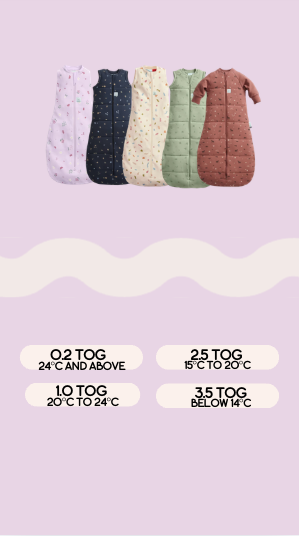
When it comes to dressing your baby in summer clothes for sleep, you need to understand the TOG rating system. TOG is short for thermal overall grade, and it measures the warmth of garments like sleeping bags and summer sleep suits. The higher the TOG the warmer the garment – when it’s a balmy 24°C summer night, you’d go for a 0.2 TOG rated sleepsuit but on a cold 14°C winter night, you might opt for a 3.5TOG rating sleeping bag.
Room temperature tips
According to Red Nose Australia, you don’t need to maintain a specific temperature in your baby’s room. Rather you need to dress your newborn for the conditions – so in summer, that means lightweight, breathable fabrics with a low TOG rating. Never add loose blankets and don’t put a hat on your baby.
Use this chart to help you select the right newborn summer clothes based on how warm your nursery is.
.png)
Nighttime outfit examples
Here's how to layer your newborn’s clothes for sleep.
-
24°C+ room: A singlet + a nappy
-
21-23°C room: A onesie + a light wrap
-
Less than 20°C: A long sleeve onesie + a 1.0 TOG swaddle
- Below 15°C: 2.5-3.5 TOG
Signs your newborn is too hot or cold
To check if your baby is too warm, place your hand behind their neck, on their chest or on their stomach and see if they’re hot to touch or excessively sweaty. (If your baby is cold, their skin will feel cool to touch.)
If your little one is overheated, take them inside or to the shade. Take off a layer of clothing, and if possible, press a cool rag against their neck. Make sure they are hydrated and keep them cool.
Sign | Too Hot | Too Cold |
Skin Temperature | Warm to the touch | Cold to the touch |
Face | Flushed | Pale complexion |
Breathing | Rapid | Normal |
Skin Condition | Sweaty or clammy | Blotchy skin |
Behavior | Fussy or restless | Waking more frequently, fussy or restless |
Energy Level | Seems tired or sluggish | Seems lethargic |
Summer essential checklist
Make sure you have these basics covered this summer.
- Daytime clothes: You need plenty of options in breathable lightweight fabric that cover the skin but also allows for good ventilation. Onesies and singlets are good options for hot days.
- Summer sleepwear: Dress babies for the temperature in their nursery
- Lots of layers: The key to keeping kids comfortable in summer is having lots of layers. Swaddles and light wraps are good for babies.
- Swimwear: Help your kids have fun in the water the right way with sun-conscious swimwear
- Sun protection: Hats and sunglasses are essential if you’re heading outdoors.
- Car shade protection: Protect your kids in the car with window shades that block the UV rays.
- Beach tents and umbrellas: Babies under 6 months shouldn’t wear sunscreen – instead make sure there’s a lot of available shade. It’s a good idea to have sun and rain protection on prams, too.
- Drink bottles and sippy cups: Kids need to stay hydrated – as they get older encourage them to drink more with sippy cups or a special drink bottle.
Frequently Asked Questions
When it’s hot, summer baby clothes need to be loose and made from natural fabric.
Look at the TOG rating of clothes and dress your baby for the temperature in the nursery.
During the day, newborns can wear hats indoors – just monitor them to make sure they’re not overheating. Babies should not wear hats to bed at any time.
Feel your newborn’s feet. If they are cold, it’s OK to put socks on them. If their feet are warm, they don’t need socks.
Look for signs like sweating, flushed face, rapid breathing, fussiness or sluggishness. If you see these signs, take layers off your baby, move inside and hold a damp cloth to their neck.
Newborns under 6 months shouldn’t wear sunscreen. Instead use clothes and shade to protect their skin.
If newborns are going to be outside in the sun, then light, loose clothes with long sleeves are a must to protect from the sun.
For warm weather go for a lower TOG rating such as 1.0 TOG.
Red Nose Australia suggests an oscillating fan positioned away from the cot can help cool the nursery in the warmer months.